Yard Features And Habits That Invite Mosquito Activity
Common Outdoor Conditions That Increase Mosquito Presence Around Homes
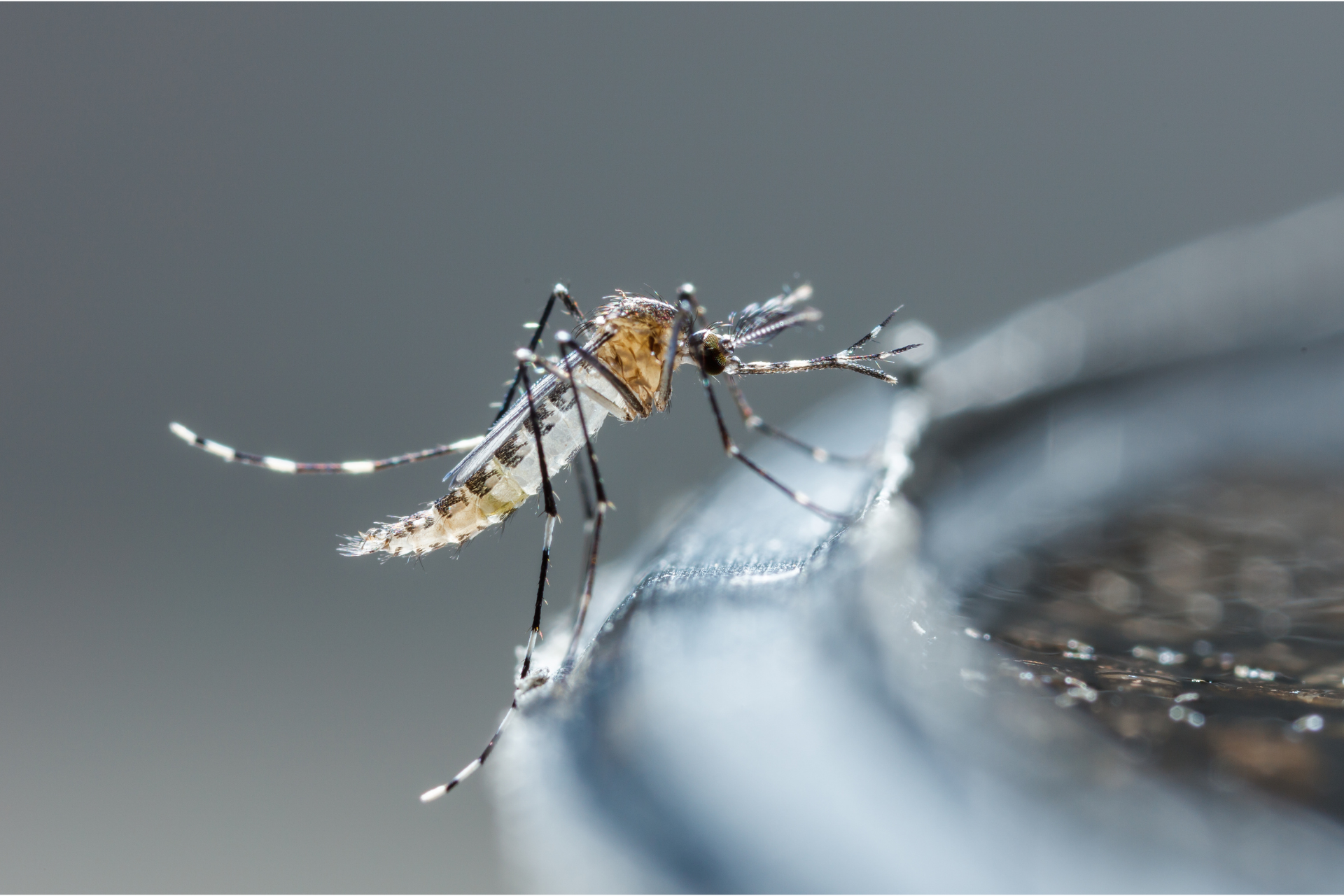
Mosquito activity tends to increase around residential properties for reasons that are often overlooked. Many homeowners focus on obvious standing water, yet the broader environment of a yard plays an equally important role. The way outdoor spaces are arranged, and maintained can create ideal conditions for these insects to breed and rest without drawing attention.
Mosquitoes are closely tied to moisture. Even a well-kept yard can unintentionally provide everything they need if small details are ignored. Decorative elements, landscaping choices, and routine habits such as taking care of plants or storing outdoor items all contribute to the overall environment. When these factors combine, they create a setting that supports growing populations of these bloodsuckers throughout the warmer months.
Understanding how common yard features contribute to the issue is the first step toward reducing activity. The goal is not just eliminating visible water sources, but recognizing how everyday outdoor setups support the mosquito life cycle in subtle ways.
Factors That Support Rapid Breeding
Water is essential for their reproduction, and it does not take much to sustain a population. A shallow layer of water in a forgotten container or a low spot in the yard can be enough for eggs to develop. Mosquitoes are highly efficient at locating these areas, and their life cycle moves quickly when conditions are favorable. In warm weather, eggs can mature into biting adults in a matter of days, allowing populations to build rapidly while undisturbed.
Birdbaths and similar decorative features are common examples of overlooked breeding spots. While they add visual appeal, they can become stagnant if not regularly cleaned or circulated. Fountains and ponds may appear less problematic, but if water flow is inconsistent or debris accumulates, they can still support mosquito development. Even small decorative basins or containers can hold enough liquid to become a concern.
Clogged gutters are another hidden issue. Leaves and debris trap moisture, creating pockets where puddles collect and sit for extended periods. Because gutters are elevated and out of sight, these areas often go unnoticed. Similarly, poor drainage in the yard can lead to low spots where rainfall gathers. Soil that does not drain properly can stay damp long after a storm, providing additional breeding opportunities.
Plant saucers and potted plants are also frequent contributors. Excess watering or rainfall can leave standing puddles in trays beneath containers. These areas are easy to overlook, especially when plants are grouped together. Over time, even small amounts of trapped water can support mosquito larvae.
Everyday Yard Items And Landscaping That Create Ideal Resting Areas
Beyond water, mosquitoes rely on shaded, humid environments to rest during the day. Overgrown grass, dense hedges, and thick landscaping provide protection from heat and wind. These areas allow mosquitoes to remain hidden until conditions are right for feeding. A yard with heavy vegetation can unintentionally offer countless resting spots, especially when airflow is limited.
Outdoor furniture and yard decor can also contribute in ways that are not immediately obvious. Tarps, covers, and cushions may collect rain in folds or depressions. Toys, buckets, and other items left outside can trap moisture after a storm. Even items designed to protect furniture can become part of the problem if they are not positioned correctly.
Trash cans and recycling bins are another common source. Lids that do not seal tightly can allow water to enter, while cracks or uneven surfaces can hold moisture. Organic material inside these containers can further attract insects, creating a more inviting environment overall. Placement also matters, as bins stored in shaded areas retain moisture longer.
Improperly maintained pools and spas present a larger-scale version of the same issue. Water that is not treated or circulated becomes stagnant, offering a prime breeding location. Pool covers can create hidden pockets where water collects instead of draining away. Without regular attention, these features can support significant mosquito activity.
Pet bowls and animal areas often go unnoticed as well. Bowls left outside for extended periods can become breeding sites if not refreshed frequently. Areas where animals drink or where anything that spills can remain damp, especially in shaded sections of the yard. These small details can add up, particularly when combined with other sources.
Moisture Patterns, Seasonal Changes, And Ongoing Yard Habits
Irrigation systems and watering habits play a major role in shaping yard conditions. Overwatering creates consistently damp soil, which supports both breeding and resting areas. Leaks in irrigation lines or sprinkler heads can lead to small but persistent pools. Runoff may collect in areas that do not drain well, adding to the problem.
Natural features within the yard can also hold moisture. Tree holes, hollow logs, and uneven ground often collect pools after rainfall. These areas blend into the landscape, making them easy to miss during routine maintenance. Once moisture settles in these spaces, it can remain long enough for mosquito larvae to develop.
Seasonal changes amplify these conditions. Warmer temperatures accelerate mosquito development, while increased rainfall introduces more opportunities for standing water. Humidity levels also rise during certain times of the year, creating a more comfortable environment for mosquitoes to rest and remain active. As these factors combine, even minor yard issues can lead to noticeable increases in mosquito presence.
Consistent attention to yard maintenance can significantly reduce these conditions. Small adjustments, such as improving drainage, repositioning outdoor items, and monitoring watering habits, make a measurable difference. Awareness is key, especially when it comes to less obvious areas that are easy to overlook during routine upkeep.
Mosquito activity around a home is rarely caused by a single issue. It is typically the result of multiple factors working together, including standing water, dense vegetation, and everyday outdoor habits. Addressing one area may help, but lasting improvement comes from identifying and managing all contributing conditions within the yard.
A careful approach to maintenance can limit the environments that mosquitoes rely on, making outdoor spaces more comfortable and usable. When these efforts feel overwhelming or when activity remains persistent, professional support can provide a more targeted solution. Don't hesitate to contact us today at Star City Pest Control for expert guidance and effective treatments designed to reduce mosquito populations and help keep your property pest-free, long-term.