Reducing Mosquito Exposure Through Yard Care And Personal Habits
Yard Conditions And Daily Habits That Influence Mosquito Activity
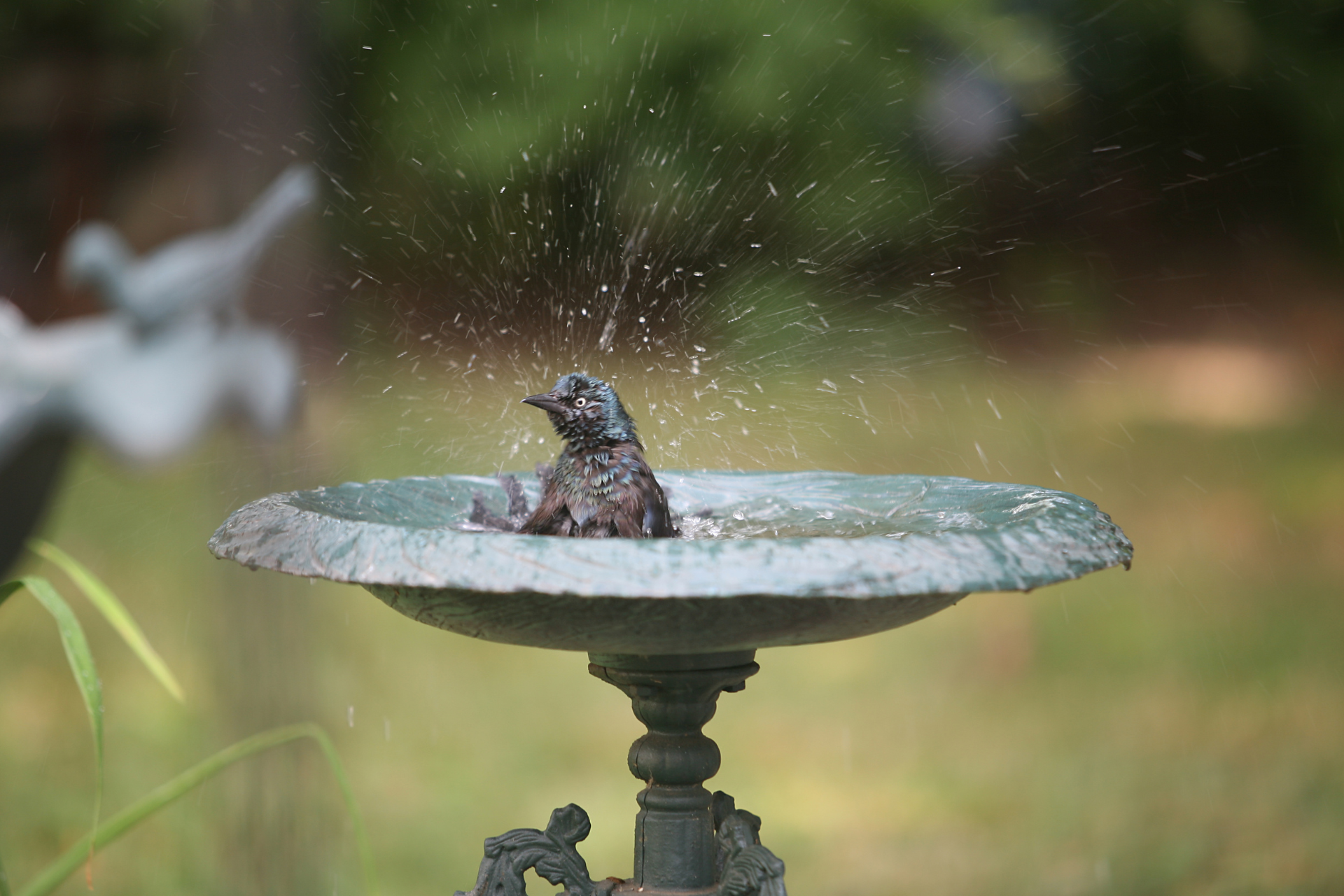
Water is the starting point for mosquito development, and even small amounts can support a surprising number of larvae. The females search for still, shallow water to lay eggs, and those eggs can hatch quickly when conditions are favorable. Many homeowners picture ponds or swamps, but the reality is much more subtle. A clogged gutter, a neglected birdbath, or the shallow rim of a flowerpot saucer can serve as a breeding site.
When water sits undisturbed, it creates an ideal environment where larvae can mature without interruption. Movement discourages them, but calm surfaces allow them to thrive. This is why areas that collect rainwater without proper drainage tend to become hotspots. Depressions in the yard, low spots near foundations, and compacted soil that holds moisture can all contribute to a higher pest population.
Temperature also plays a role. Warm, stagnant water accelerates development, allowing multiple generations to emerge in a relatively short period. This means a small issue can scale into a persistent nuisance if left unchecked. Even items that seem insignificant, such as children’s toys left outside or uncovered containers, can collect enough rainwater to support insect population growth.
Managing these conditions involves awareness of where water gathers and how long it remains. Regular inspection of outdoor areas helps identify hidden sources, especially after rainfall. By disrupting these breeding zones, the life cycle is interrupted before hungry adults have a chance to disperse and seek out hosts.
Landscaping Choices That Encourage Or Discourage Activity
The way a yard is designed and maintained can significantly influence pest behavior. Dense vegetation provides shelter from wind and sunlight, creating comfortable resting areas during the day. Tall grass, thick shrubs, and overgrown hedges offer shade and protection, allowing mosquitoes to conserve energy before becoming active in the evening.
Moisture retention within landscaping also contributes to their presence. Mulch beds, for example, can hold moisture beneath the surface, especially when overwatered. While mulch is beneficial for plant health, excessive moisture creates a favorable microenvironment. Similarly, heavily irrigated lawns that remain damp for extended periods can attract mosquitoes seeking cool, shaded spaces.
Plant selection has an indirect effect as well. While certain plants are often marketed as repellents, their impact tends to be limited without additional measures. What matters more is how plants are arranged and maintained. Proper spacing allows airflow and sunlight to penetrate, reducing humidity levels and making the environment less appealing.
Hardscape elements can either help or hinder control efforts. Features like decorative ponds or fountains add visual interest, but if water circulation is inadequate, they can become breeding grounds. On the other hand, well-designed drainage systems and graded surfaces help move water away from gathering points.
Yard maintenance routines influence these dynamics on an ongoing basis. Regular trimming, thoughtful irrigation, and attention to drainage all shape how inviting the space becomes. When landscaping is managed with these factors in mind, it becomes easier to limit mosquito harborage areas and reduce overall activity.
Daily Habits That Increase Human Exposure
Beyond environmental factors, everyday behaviors can affect how often mosquitoes target people. These insects rely on a combination of cues to locate hosts, including carbon dioxide, body heat, and certain skin compounds. As a result, common activities can make individuals more noticeable without them realizing it.
Time spent outdoors during peak activity periods has a direct impact. These insects are typically more active during dawn and dusk, when temperatures are moderate and light levels are lower. Evening gatherings, outdoor exercise, and yard work during these times can increase the likelihood of bites.
Clothing choices also play a role. Dark colors tend to absorb heat and may attract mosquitoes, while lighter fabrics reflect more light and can make individuals less conspicuous. Loose-fitting clothing can provide a small buffer, whereas tight garments allow easier access to skin.
Scent is another factor that often goes overlooked. Personal care products such as perfumes, lotions, and even some laundry detergents can produce odors that attract mosquitoes. On the other hand, natural body chemistry varies from person to person, meaning some individuals are more appealing regardless of what they apply.
Physical activity increases carbon dioxide output and body temperature, both of which draw mosquitoes in. Activities like jogging, gardening, or playing sports can make someone a more noticeable target. Sweating adds another layer, as certain compounds in perspiration can enhance attractiveness.
Lighting choices around the home can influence behavior as well. While mosquitoes are not as strongly drawn to light as some other insects, certain types of outdoor lighting can still create conditions that encourage them to linger nearby. Warm, dim lighting may contribute to a more inviting atmosphere compared to brighter, cooler tones.
The Connection Between Environment And Human Attraction
Mosquito activity is shaped by the interaction between environmental conditions and human presence. A yard that offers breeding sites and resting areas becomes a staging ground, while human behavior provides the cues that guide the hungry bloodsuckers to their targets. When both elements align, encounters become more frequent.
Humidity is a key factor linking these aspects. High humidity levels help mosquitoes remain active for longer periods and reduce the risk of dehydration. Landscapes that retain moisture, combined with warm evening conditions, create an environment where mosquitoes can move freely and search for hosts.
Airflow also influences how these bugs navigate a space. Stagnant air allows scent trails and carbon dioxide plumes to remain concentrated, making it easier for them to track people. In contrast, breezy conditions can disperse these signals, making it more difficult for mosquitoes to locate a host efficiently.
Outdoor layouts that encourage people to gather in sheltered areas can inadvertently increase exposure. Patios surrounded by dense plants or enclosed spaces with limited airflow may feel comfortable, yet they also create ideal conditions for mosquitoes to operate. Adjusting these spaces to improve circulation can make a noticeable difference.
Water features, landscaping, and daily routines are interconnected. A yard that accumulates water, provides shade, and hosts frequent evening activity becomes highly attractive to mosquitoes. Addressing only one aspect may offer limited relief, while a more comprehensive approach can produce better results.
Understanding how yard conditions and daily habits influence pest activity makes it possible to take more effective steps toward reducing their presence. When these factors are managed together, the likelihood of frequent encounters can be significantly reduced. If you’re seeking a more targeted and professional approach for infestation issues on your property, don’t hesitate to
contact us
today at Star City Pest Control for solutions that are designed to address your specific situation so that you can enjoy your outdoor space without any buzzing, biting interruptions.