Moisture Conditions That Drive Pest Activity
Why Moisture Control Plays A Major Role In Pest Activity
Moisture plays a quiet but powerful role in shaping pest pressure across residential and commercial properties. While insects and rodents rely on many environmental factors to survive, excess dampness consistently stands out as a driver of persistent activity. Water changes how materials break down, how air moves through structures, and how organic matter accumulates. These shifts create opportunities for nesting, feeding, and shelter that can support infestations long past the initial source of moisture. Understanding how damp conditions influence pest behavior makes it easier to recognize risks before they expand into property-wide problems.
How Damp Environments Support Insect Survival And Reproduction
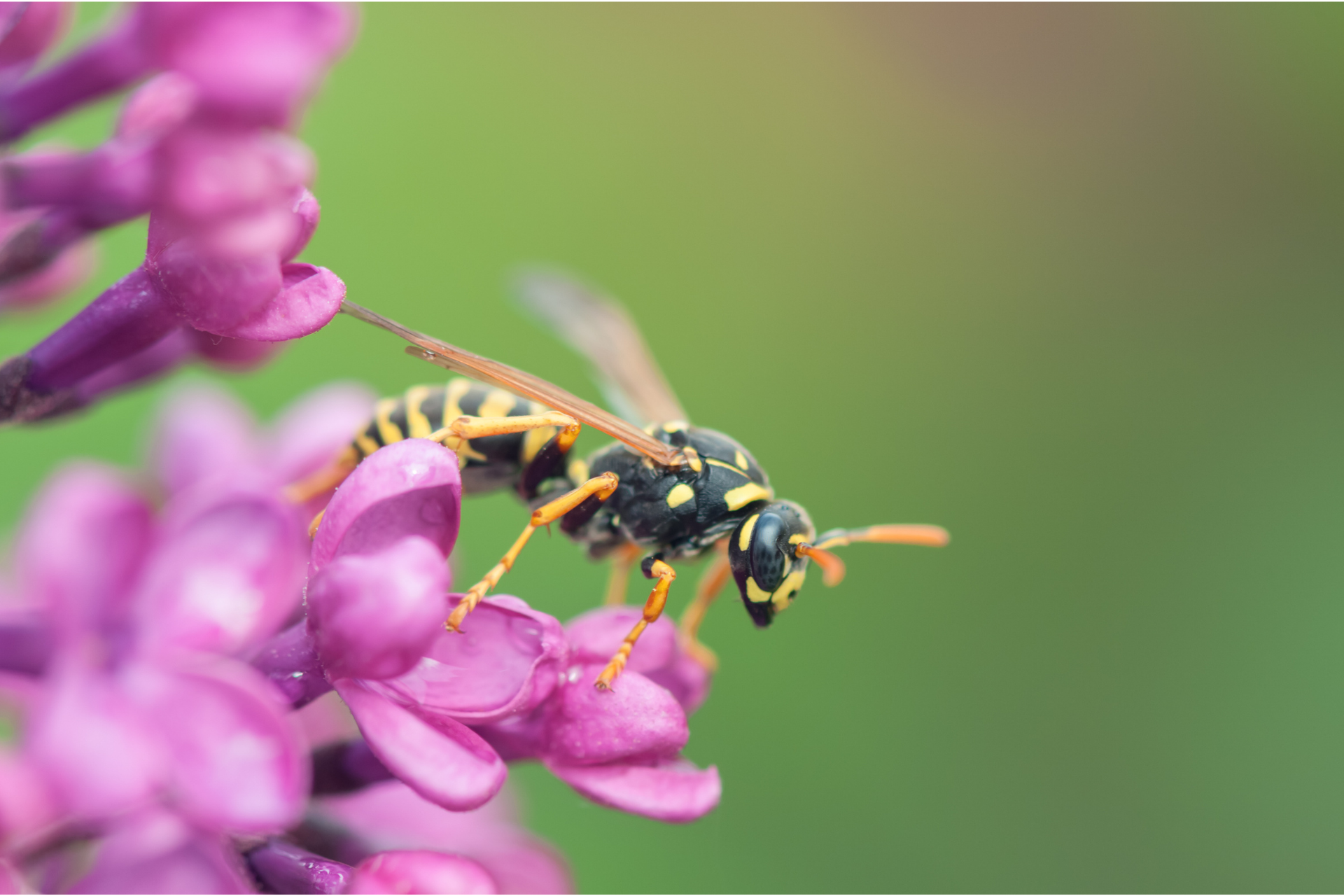
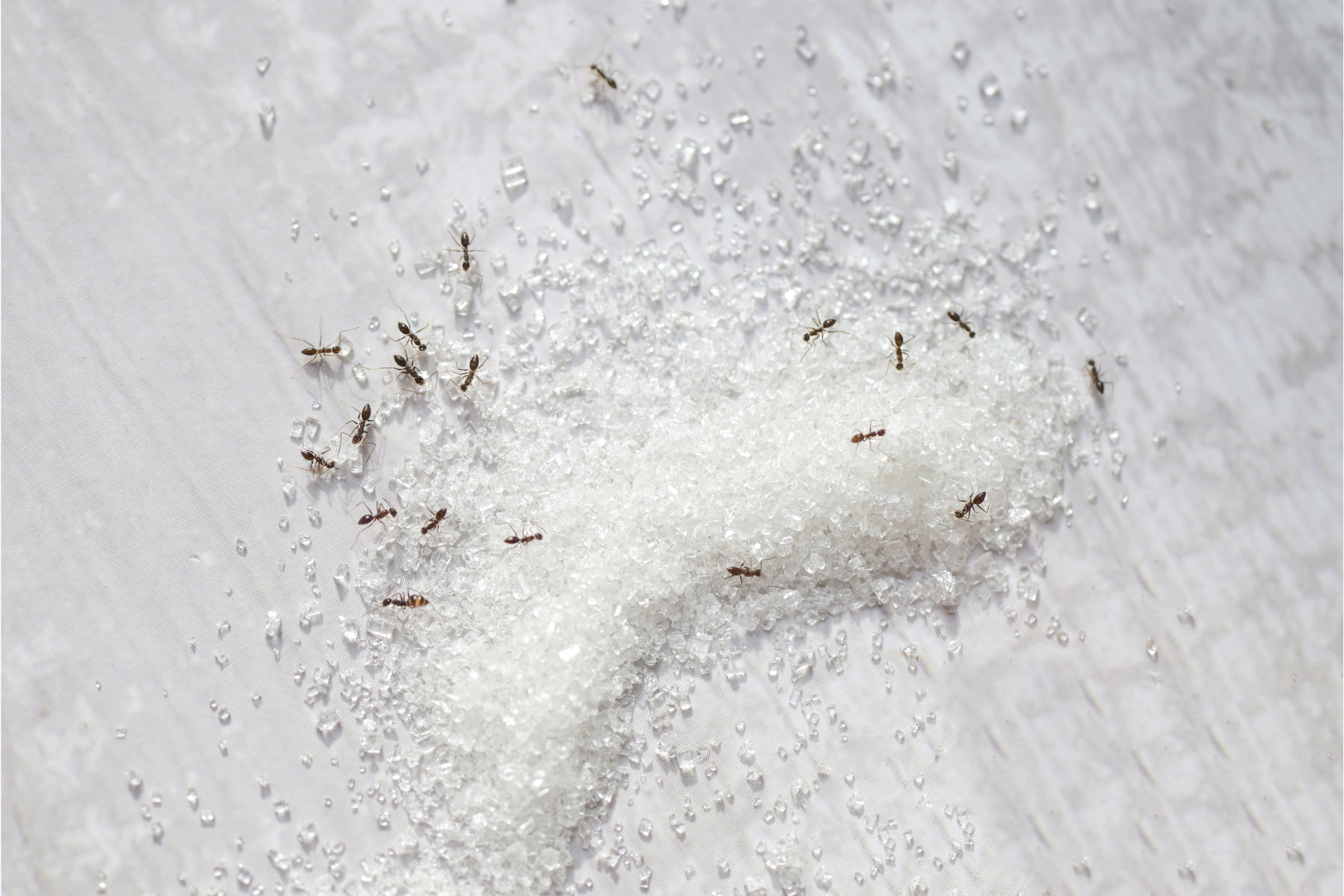
Insects depend on moisture to regulate bodily functions, process food, and reproduce. When humidity rises or surfaces remain wet, those needs are met with little effort. Areas such as crawl spaces, wall voids, basements, and utility rooms can hold lingering dampness that goes unnoticed. Condensation on pipes, slow leaks, or poor airflow can maintain these conditions even when no standing water is visible.
Moisture also affects the materials insects interact with. Wood exposed to repeated dampness softens and becomes easier to penetrate, offering harborage for ants, beetles, and termites. Cardboard, insulation, and stored paper products absorb humidity and provide both shelter and nourishment. Mold growth that follows moisture intrusion introduces additional food sources for species that feed on fungi or decaying organic matter. Furthermore, pests like silverfish and springtails act as biological indicators of excessive humidity. They thrive where relative humidity is high, grazing on microscopic fungal spores. Their presence often signals underlying water intrusion before structural damage becomes apparent.
Reproductive cycles accelerate when insects do not need to search far for water. Eggs and larvae develop more efficiently in stable, humid spaces, allowing populations to build without drawing attention. What begins as a minor moisture issue can quietly support multiple generations within a short span. Once insects establish themselves in these zones, they often spread outward, following plumbing lines, wiring paths, and structural seams into drier living areas.
Rodent Attraction To Moisture And Shelter Opportunities
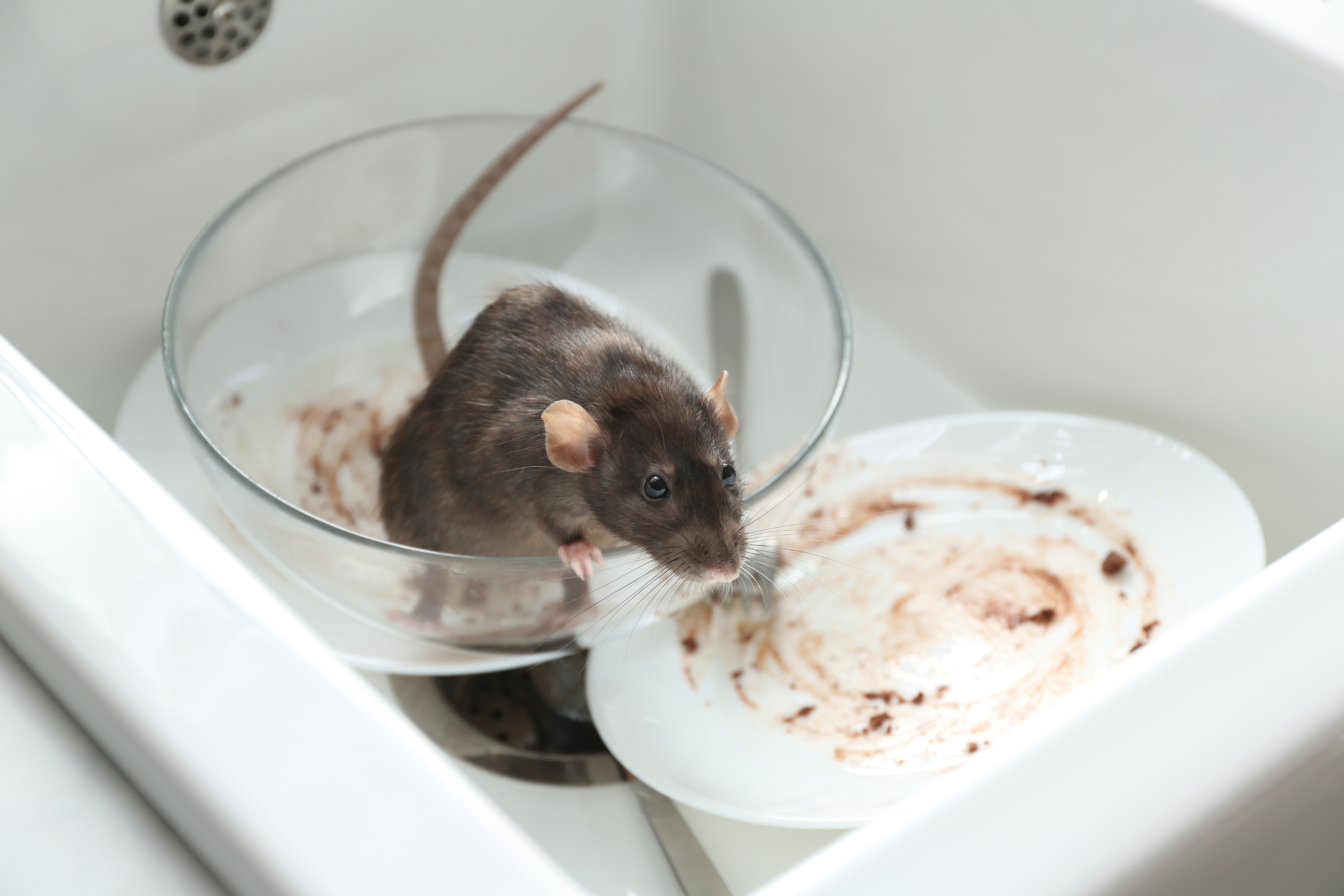
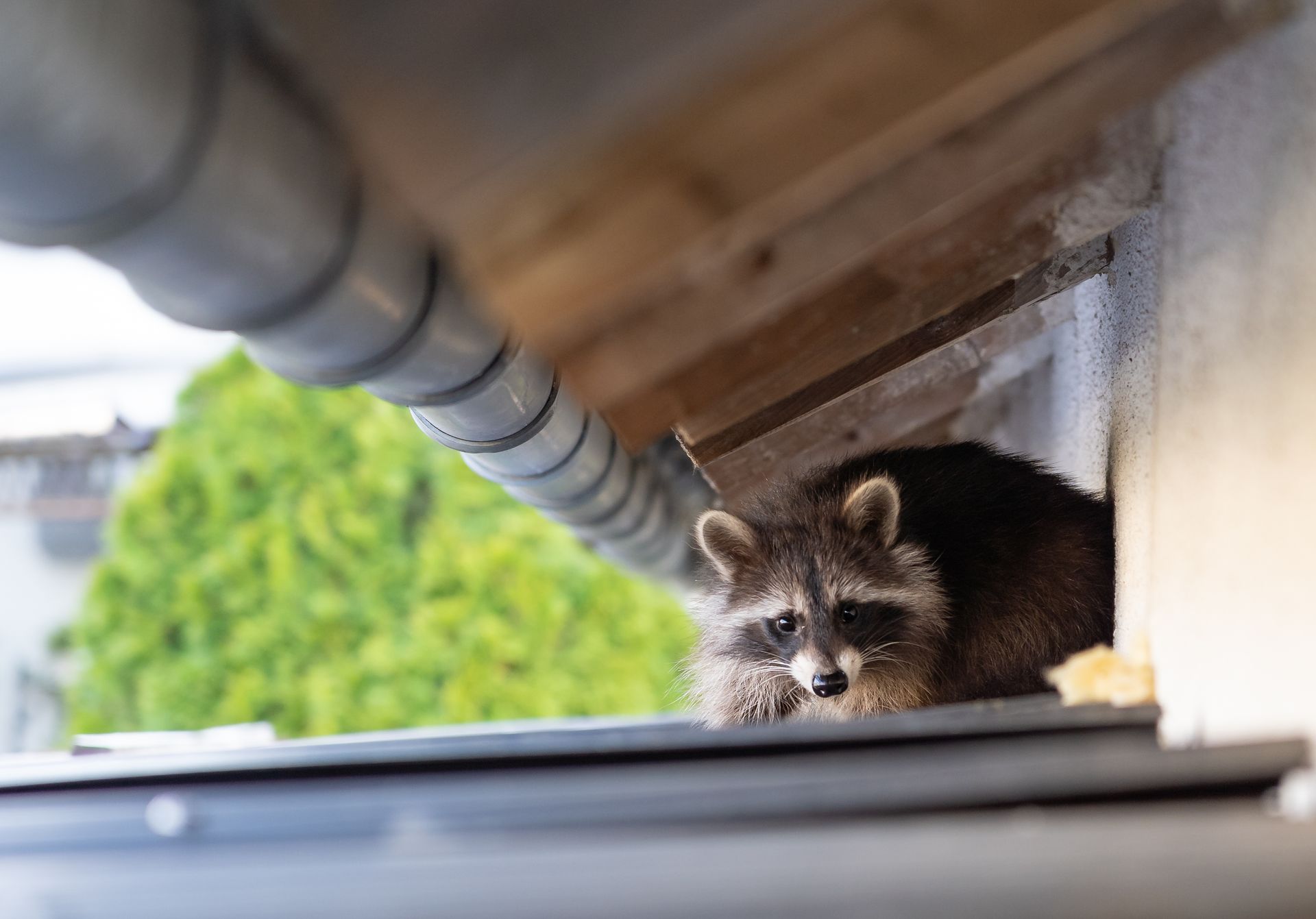
Rodents may appear more adaptable than insects, yet moisture strongly influences where they choose to settle. Rats and mice require regular access to water and gravitate toward locations where it is readily available. Dripping pipes, sump pits, and damp storage rooms provide dependable hydration without exposure to open areas. In their pursuit of hydration, rodents often cause significant physical damage. Rats can gnaw through PVC piping and lead barriers to reach detected water sources. This behavior creates secondary leaks, compounding the original moisture problem and accelerating structural rot.
Moisture also shapes nesting conditions. Wet environments tend to collect clutter, degraded materials, and organic debris. These elements are easily shredded and rearranged into nesting sites. Damp insulation and wall cavities offer warmth and concealment while retaining heat more effectively than dry spaces. This combination supports breeding activity and encourages rodents to remain within a structure rather than passing through.
Food availability often increases alongside moisture. Rotting plant matter, mold-affected food storage, and insect populations thriving in damp zones become part of the rodent food chain. Once rodents identify a property as a reliable source of water, shelter, and nutrition, they establish travel routes that connect nesting sites to feeding areas. These paths can extend throughout the building, increasing contamination risks and structural damage.
Why Moisture Leads To Long-Term Infestation Cycles
Excess moisture rarely exists in isolation. It often reflects underlying issues such as poor drainage, aging seals, or ventilation limitations. When these conditions persist, pests benefit from stability. They can adapt behaviors around consistent humidity and temperature patterns, making infestations more resilient.
Long-lasting dampness allows pests to occupy areas that are difficult to inspect or treat. Wall interiors, subfloor spaces, and ceiling voids remain protected from routine cleaning and observation. As materials degrade, new entry points form, giving pests additional access without noticeable exterior damage.
Moist environments also interfere with detection. Musty odors, staining, or minor swelling of materials may be attributed to humidity rather than pest presence. By the time activity becomes visible, populations may already be well established. Moisture-driven infestations often reappear after surface-level treatments because the environmental support system remains intact. Additionally, chronic dampness compromises professional control measures. Many products degrade faster in high-humidity environments or are washed away by active leaks. This creates a sanctuary where pests survive despite intervention attempts. Addressing pests without correcting damp conditions can lead to repeated cycles that frustrate property owners and increase long-term costs.
Moisture Movement Through A Property And Pest Expansion
Water does not stay confined to one location. It travels through building materials, along framing, and through air currents. As moisture migrates, it creates a network of favorable zones that pests can exploit. A leak beneath a kitchen sink may elevate humidity inside nearby walls. That same moisture can move upward, affecting cabinetry, flooring, and adjacent rooms.
Pests follow these moisture gradients. Insects sense humidity changes and move toward areas that meet their needs. Rodents track condensation patterns and plumbing routes that provide both water and access. This movement allows infestations to expand gradually, often without triggering immediate concern.
Seasonal changes can intensify this process. Temperature shifts alter condensation patterns, and heavy rainfall can overwhelm drainage systems. Moisture that appears temporarily may leave behind residual dampness in hidden areas. These fluctuations encourage pests to adjust nesting locations while remaining within the structure, extending the reach of the infestation rather than eliminating it.
Moisture creates a foundation that supports pest survival, reproduction, and persistence across a property. By supplying water, softening materials, and increasing food availability, damp conditions encourage insects and rodents to settle in and spread. Addressing these issues requires more than surface-level attention. Identifying how moisture enters, where it accumulates, and how it moves through a structure is essential for reducing pest pressure and preventing recurring activity. If you suspect moisture-related pest concerns in your home or business,
contact us
today at Star City Pest Control to schedule a professional evaluation and take the next step toward restoring control of your space.