Conditions Around Homes That Commonly Attract Bats
Entry Points, Roosting Areas, And Bat Prevention Around Residential Properties
Bats usually do not pick a property by chance. They respond to shelter, warmth, food, and places where they stay hidden during daylight hours. A house with roofline gaps, a quiet attic, nearby insects, and easy access points becomes appealing, especially during warmer months when feeding increases and maternity colonies seek protected spaces.
For homeowners, the problem often starts with small clues. A faint scratching sound above the ceiling, staining near a vent, droppings under an eave, or repeated evening flight near the roof points to activity that deserves attention. These signs are easy to dismiss at first, but the conditions that invite winged wildlife tend to keep inviting them until entry points and attractants are handled correctly.
Roof Gaps And Hidden Entry Points
The roofline is one of the most common areas where bat activity begins. Many houses have small spaces where fascia boards, soffits, vents, dormers, chimneys, and roofing meet. These seams may look too narrow to matter, yet a small-bodied animal can slip through openings that seem surprisingly tight. Weather, settling, old repairs, storm damage, and loose trim may widen those gaps enough to create a usable entrance.
Roof gaps are especially appealing because they provide height and concealment. A narrow opening under a lifted shingle or behind a loose board may lead into an attic void, wall cavity, or sheltered overhang. From the outside, the area may look like a minor maintenance issue. From the animal’s perspective, it offers a dark passage, predator protection, and a quiet resting place close to feeding areas.
These gaps also make the intrusive activity harder to notice. Unlike larger pests that chew or force their way inside, bats often use existing spaces. That means a homeowner may not see obvious damage at the start. Instead, the first sign might be a brown stain near an opening, a musky odor, or small droppings collecting below the entry. A professional inspection focuses on these subtle clues and checks the structure at the right time of day, when flight patterns and access points are easier to confirm.
Attic Conditions That Create Shelter
An attic provides the kind of environment that encourages a colony to settle in. Warm air rises through a house, so upper spaces hold steady heat, particularly in spring and summer. Add darkness, limited disturbance, insulation, rafters, and narrow voids, and the space becomes useful for resting during daylight. Attics with poor sealing or neglected vents are even more attractive because they offer easier movement in and out.
The appeal is not only the stable temperature. Quiet matters. Storage areas that go unchecked for long periods, unused upper rooms, and attic spaces with little foot traffic may allow activity to continue unnoticed. Once droppings begin to build up, the situation may bring odor, staining, and contamination concerns. Insulation can absorb waste and smell, while wood, drywall, and stored items may be affected by prolonged presence.
Ventilation plays a role as well. Damaged gable vents, warped ridge vents, open louvers, and loose screening create access while still allowing airflow. A bat does not need a wide doorway. It needs a gap that leads to a protected interior. That is why repairs that address only the most visible hole may not be enough. If several possible openings remain, the activity can continue through a different route.
Good exclusion work looks at the attic and exterior as one connected system. The interior helps reveal where animals have been resting, while the outside shows how they entered. That combined view helps reduce missed access points and supports a more complete solution.
Lighting, Insects, And Feeding Opportunities
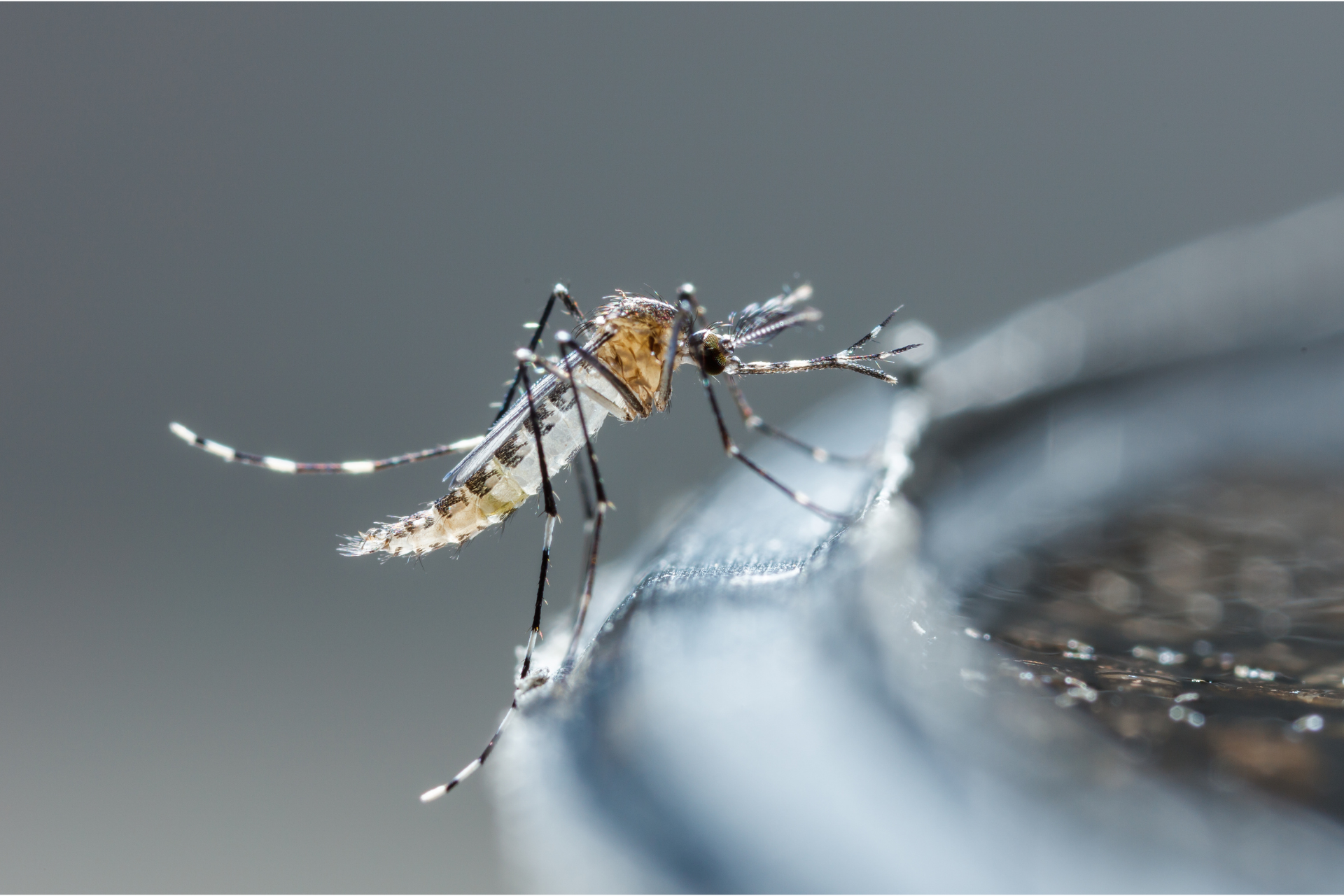
Exterior lighting can unintentionally make a property more attractive. Porch lights, floodlights, landscape fixtures, and bright security lighting often draw moths, beetles, mosquitoes, and other flying insects. Where insects gather night after night, feeding activity may follow. A bat flying around a lit porch is not necessarily trying to enter the house, but frequent feeding near the structure increases the chance that it discovers a gap along the roof or siding.
Water and vegetation add to the issue. Damp yards, clogged gutters, standing water in containers, dense shrubs, and overgrown tree lines support insect populations. When these conditions sit close to entry points, the property offers both food and shelter in a compact area. That combination is one reason some houses experience repeated activity while a nearby house may not.
Lighting choices can help reduce insect concentration near doors and rooflines. Fixtures aimed downward, bulbs that attract fewer insects, and lights placed away from likely entry areas make a difference. Yard maintenance matters too. Clearing clogged gutters, trimming vegetation off the structure, and reducing standing water can lower insect pressure around the house. These steps do not replace exclusion, but they make the surrounding environment less inviting.
It is also worth noting that bats play an important role in controlling insects outdoors. The concern for a homeowner is not their presence in the wider environment. The concern is when feeding patterns, entry points, and sheltered voids bring them too close to living areas or allow them to settle inside parts of the structure.
Professional Exclusion And Long-Term Prevention
When activity is confirmed, exclusion is the preferred approach for removing access without relying on random patching or ineffective deterrents. The process starts with identifying active openings, secondary gaps, staining, droppings, and structural weaknesses. Professionals also consider timing, since certain seasons may involve young that cannot yet fly. That timing matters because closing openings at the wrong stage can create additional problems inside the structure.
One-way exclusion devices are commonly used to allow animals to leave while preventing re-entry. After the activity has stopped, the openings can be sealed with durable materials suited to the construction of the house. This is different from simply filling in any visible gaps while the animals may still be inside. Proper sequencing helps reduce the chance of trapped wildlife, odor, and renewed entry through another weak spot.
Professional work also addresses related property concerns. In some cases, attic cleanup, insulation assessment, odor control, and minor structural repairs may be needed after the animals are gone. Droppings and staining should be treated carefully, and affected areas may require specialized cleanup rather than casual sweeping or vacuuming. A thorough approach helps protect the home from recurring activity and clarifies what allowed the issue to develop.
Long-term prevention depends on detail. Roof returns, vents, chimney gaps, siding transitions, soffit seams, and utility penetrations should be checked and sealed where needed. The goal is to remove access points while reducing conditions that make the house attractive.
Bat activity around a house often comes from a mix of small structural openings, sheltered attic conditions, bright lighting, and strong insect activity near the exterior. A few minor issues can work together in a way that encourages wildlife to investigate, feed nearby, and eventually settle into protected spaces. When those conditions are handled with careful inspection and professional exclusion, homeowners can reduce recurring problems and limit concerns tied to odor, droppings, staining, and property damage. For help identifying entry points and correcting the conditions that encourage bat activity, don't hesitate to
contact us today at Star City Pest Control to schedule professional pest and wildlife control service.